Your Favorite Creator Is the New Must-See TV
The Remote Isn't Pointing at Netflix Anymore
There's a moment a lot of people recognize but rarely talk about out loud: you open a streaming app, scroll for fifteen minutes, find nothing that grabs you, then close it and pull up a YouTube channel or a podcast from someone you've been following for years. And somehow, that feels better.
That's not laziness. That's not a failure of the entertainment industry. That's a real, documented shift in how modern audiences relate to media — and it says a lot about what we're actually craving when we hit play.
We're living in the comfort creator era. And honestly? It makes complete sense.
What Even Is a Comfort Creator?
The term doesn't have an official definition, but you know one when you find one. A comfort creator is someone whose content you return to not necessarily because each video or episode is groundbreaking, but because they feel familiar. Safe. Like catching up with a friend who's always got something interesting going on.
Think about the morning routine YouTubers, the chaotic couple vloggers, the solo travelers filming themselves eating street food in Southeast Asia, the podcast hosts who spend half the episode laughing at their own tangents. None of it is scripted in the traditional sense. None of it has a writers' room or a network exec breathing down its neck. But millions of people tune in, episode after episode, with a loyalty that most TV showrunners would kill for.
The parasocial relationship — that one-sided emotional bond we form with media figures — isn't new. People felt it for Johnny Carson. They felt it for Oprah. But creators have turbocharged it in a way that traditional television never could.
The Intimacy Gap That TV Left Open
Here's the thing about prestige television: it's impressive, but it's distant. A beautifully shot drama about morally complex characters in a fictional world requires emotional investment, attention, and often a willingness to sit with discomfort. That's not a knock — great TV is genuinely great. But it doesn't know you. It doesn't talk to you. It performs at you.
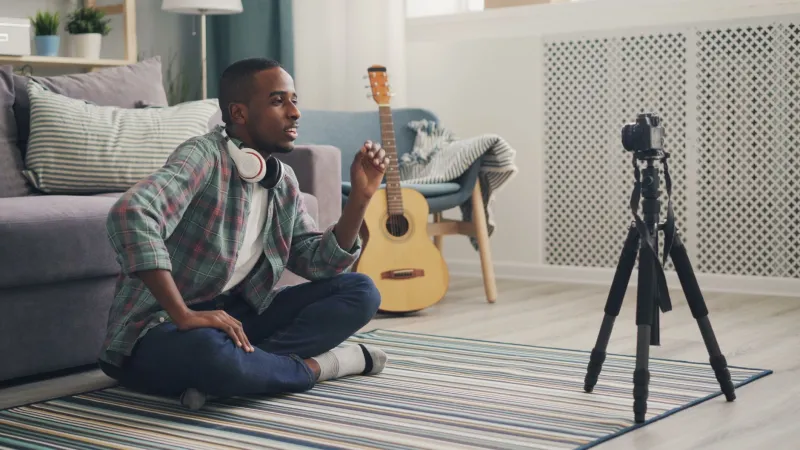
Creators do something fundamentally different. They look into the camera and address you directly. They share opinions on things that happened that week. They respond to comments. They remember inside jokes from three years ago that their audience still references. They post Stories about their bad day at the grocery store. The line between content and conversation gets genuinely blurry.
Psychologists who study parasocial relationships point out that the human brain doesn't automatically distinguish between real and one-sided social bonds. When someone shares their anxieties, their morning routine, their relationship drama — your brain files that under person I know. Over time, that sense of knowing compounds. You've spent hundreds of hours with this person. You've watched them move apartments, go through breakups, change their opinions, grow. That's more continuity than most fictional characters ever get.
Why This Hits Different in the US Right Now
America has always had a complicated relationship with celebrity — simultaneously worshipping and resenting it. Creators sit in a strange sweet spot: they're famous enough to be interesting, but accessible enough to feel real. They're not flying private and wearing couture to galas (or if they are, they're filming the whole thing and joking about how weird it feels). That relatability is currency.
Post-pandemic, the desire for connection — even simulated connection — skyrocketed. People who spent months isolated found genuine comfort in creators who showed up consistently. A Monday upload became a ritual. A weekly podcast became a standing appointment. The parasocial bond filled in some of the gaps that isolation carved out, and for a lot of people, it never fully faded.
Add in the fractured attention economy, where finishing a ten-episode season requires a kind of sustained focus that's increasingly hard to summon, and shorter-form creator content starts looking even more appealing. A twenty-minute vlog is a complete emotional experience. You showed up, you connected, you got your hit of familiarity, and you're done.
The Trust Factor Nobody Talks About Enough
There's another layer here that doesn't get enough credit: trust. Audiences have become deeply skeptical of polished, produced media. Scripted content, even when it's excellent, carries the invisible fingerprints of corporate decision-making. Cancellations, rushed endings, algorithmic safe choices — viewers have been burned enough times to stay a little guarded.
Creators feel like a different deal. Yes, plenty of them have brand deals and management teams and content strategies. But the relationship still feels more direct. When a creator recommends something, it reads as a friend's tip, not an ad (even when it technically is an ad — which is its own conversation). When they share a take on something happening in culture, it lands differently than a panel of talking heads on cable news.
That perceived authenticity — real or constructed — creates a stickiness that traditional entertainment struggles to replicate.
What This Means for the Future of Entertainment
The lines are already blurring. Creators are getting docuseries deals. Podcasters are landing book contracts and talk show slots. Some of the most-watched content on streaming platforms right now is creator-adjacent: reality formats, docudramas, interview shows that mimic the vibe of a long-form YouTube sit-down.
Traditional entertainment isn't dying — but it's being forced to compete on emotional intimacy in a way it never had to before. The audience has gotten a taste of content that feels personal, consistent, and responsive. Going back to something that just performs at them, without any sense of relationship, requires a much bigger payoff than it used to.
For creators, the stakes are rising too. Audiences are loyal, but they're also perceptive. The moment a creator starts feeling like a product rather than a person, the magic dims. Maintaining that sense of genuine connection while building a sustainable business is genuinely hard — and not everyone figures it out.
The Vibe Is the Point
At the end of the day, what the comfort creator era is really about is vibe-matching. People want to spend their limited free time in a headspace that feels good, with a presence that feels consistent. A favorite creator delivers that with a reliability that even the best TV show can't always promise.
You don't have to emotionally prepare for their upload. You don't have to worry about a cliffhanger that won't resolve for eight months. You just press play and hang out. And right now, for a lot of people, that's exactly enough.