Rewinding to Feel Better: The Real Reason You Keep Paying for Shows You've Already Finished

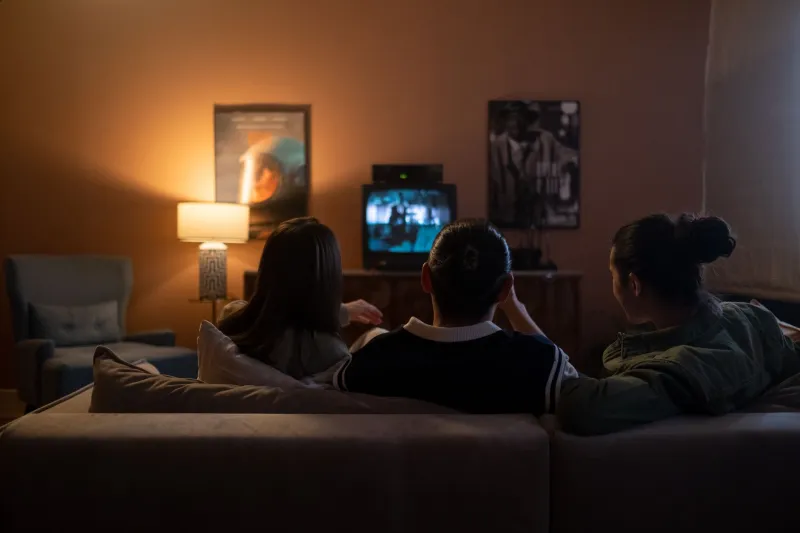
There's a very specific kind of Sunday night that a lot of us know too well. You've got a perfectly good streaming queue loaded with critically acclaimed new releases, at least three documentaries someone recommended, and a limited series that's been sitting unwatched for six months. And somehow, you end up back on Friends. Again.
This isn't a personal failure. It's actually a pretty telling sign of where entertainment culture is right now — and streaming platforms are paying close attention.
The Nostalgia Premium Is Very Real
When Netflix shelled out a reported $100 million to keep Friends on its platform back in 2019, a lot of industry insiders raised their eyebrows. Why spend that kind of money on a show that wrapped up in 2004? The answer was sitting right there in the data: people weren't just watching it, they were rewatching it — obsessively, consistently, and apparently without any sign of stopping.
The same logic explains why Peacock made The Office its flagship offering, why Disney+ leans so hard into its classic catalog, and why Max keeps Harry Potter content front and center even as it produces new originals. Familiar content isn't filler — it's a retention strategy. Subscribers who come back for comfort viewing are subscribers who don't cancel.
For audiences, the calculus is a little different but just as real. Paying $15 a month to have Gilmore Girls available whenever life gets overwhelming? That's not irrational spending. For a lot of people, it's genuinely worth it.
Why Our Brains Crave the Already-Known
Psychologists have a term for what happens when we revisit familiar media: narrative transportation. Basically, when you already know the story, your brain doesn't have to work as hard to follow the plot. That cognitive ease frees up emotional bandwidth, and the result feels like relief — sometimes even comfort in a very physical sense. Lower heart rate, reduced anxiety, the kind of mental exhale you can't always manufacture on demand.
There's also something called the mere exposure effect, which describes how humans tend to like things more the more they encounter them. Familiarity, in a neurological sense, reads as safety. When the world outside feels chaotic or unpredictable — and honestly, when doesn't it lately — retreating into a story you already know the ending to is a form of self-regulation. It's not escapism in the dismissive sense of the word. It's more like a deliberate emotional reset.
This is part of why the term "comfort media" has moved from niche internet vocabulary into mainstream conversation so quickly. People aren't embarrassed about it anymore. They're owning it.
Subscription Fatigue Meets Selective Loyalty
Here's the tension though: most people can't afford to keep every streaming service running simultaneously. The average US household subscribes to around four streaming platforms, but that number has been fluctuating as prices climb and people get smarter about rotating subscriptions. Cancel, binge, resubscribe. It's basically a sport at this point.
What's interesting is what people prioritize when they're making those cut-or-keep decisions. New content alone isn't enough to guarantee loyalty anymore. A platform needs to hold something you need — and for a huge chunk of subscribers, that need is emotional. It's the specific show that helps you decompress after a brutal week. The movie you've seen fifteen times that still makes you cry in the same spot. The album you've had on repeat since college that lives on a particular streaming service.
That kind of attachment is sticky in a way that a fresh original series, however brilliant, simply can't replicate right away. New content has to earn its place in your emotional rotation. Comfort media already lives there.
What This Means for Creators and Platforms
For streaming services, the comfort media economy is both a blessing and a challenge. The blessing is obvious — catalog content keeps subscribers around without requiring constant new production spend. The challenge is that it complicates the case for investing heavily in originals when a beloved sitcom from 20 years ago is doing more for retention metrics.
Some platforms are threading this needle by leaning into legacy IP. Reboots, spin-offs, extended universes — these are essentially attempts to manufacture new comfort media by borrowing the emotional equity of something audiences already love. Frasier coming back. More Sex and the City. The endless Marvel and Star Wars expansions. The results are mixed creatively, but the strategy makes sense from a pure engagement standpoint.
For independent creators and smaller production companies, the shift is trickier to navigate. Building new comfort media from scratch requires time and trust — audiences need to fall in love with something before it can become their go-to rewatch. That's a long game in an industry increasingly obsessed with first-week numbers.
The Digital Wellness Angle Nobody's Really Talking About
There's a quieter conversation happening inside the comfort media trend that deserves more attention: people are actively curating their entertainment as a form of mental health maintenance. Not in a clinical way, necessarily, but in a very conscious, intentional way.
You'll see this all over social media — people talking about their "safe shows," their "background comfort content," the specific playlist they put on when they're anxious or sad or just need to feel less alone. Entertainment is being framed less as passive consumption and more as an active tool for emotional regulation.
That's a meaningful cultural shift. It changes what "value" means when someone is deciding whether a subscription is worth keeping. It's not just about variety or prestige content anymore. It's about whether a platform holds something that genuinely makes you feel okay.
Paying for Feelings You Already Know
Maybe the most honest way to frame the comfort media economy is this: we're not really paying for content. We're paying for access to a specific emotional experience that we've already proven works for us. It's a subscription to a feeling, essentially — and when you look at it that way, the whole thing makes a lot more sense.
Streaming platforms figured this out before most people were willing to admit it. Now the audience is catching up, getting more intentional about what they keep in their media rotation and why. Comfort media isn't a guilty pleasure anymore. It's a line item in the wellness budget — and honestly, there are worse things to spend money on.