Fictional Characters Are Filling a Real Emotional Need — and an Entire Economy Grew Around It
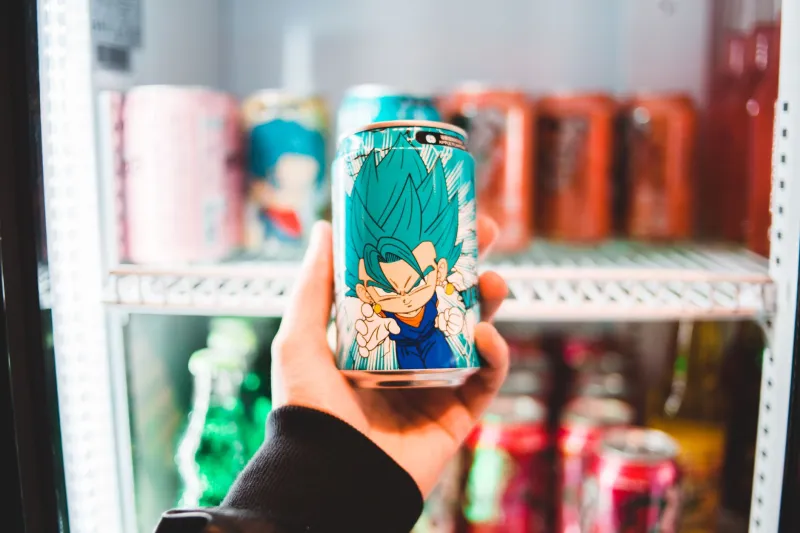
Somewhere between your third rewatch of a show and the moment you added a $45 enamel pin of your favorite character to your cart without blinking, something shifted. You weren't just a fan anymore. You were invested — emotionally, financially, and in ways that are harder to explain at the dinner table.
Welcome to what some people are calling the comfort character economy. It's real, it's growing fast, and honestly? It says something pretty profound about where we are as a culture.
What Even Is a Comfort Character?
If you've spent any time on TikTok or Tumblr in the last few years, you already know the term. A comfort character is exactly what it sounds like — a fictional person (or creature, or animated robot, whatever) that you feel a deep, stabilizing emotional connection to. Think of them as the character you return to when the world gets loud. The one whose storyline you replay when you need to feel something specific.
For some people it's a brooding antihero from a prestige drama. For others it's a soft-spoken side character from an anime that aired fifteen years ago. For plenty of Gen Z fans, it's a Minecraft YouTuber's lore persona — which is its own fascinating rabbit hole.
The point isn't who the character is. The point is what they do for you.
The Money Is Real, Even If the Character Isn't
Here's where it gets interesting from a cultural and economic standpoint. People aren't just quietly loving these characters in the privacy of their own heads. They're building shrines. Buying limited-edition prints from fan artists on Etsy. Dropping hundreds at anime conventions for official merchandise. Commissioning custom illustrations. Traveling to themed pop-up experiences in cities like New York and LA just to stand in a room decorated to look like a fictional world they love.
The global anime merchandise market alone was valued at over $26 billion in recent years and is still climbing. Funko Pop still dominates Target endcaps. Fan artists are making livable incomes — sometimes more — off character-based work. Hot Topic never really went away; it just got a more aesthetically curated Instagram.
This isn't niche hobby spending anymore. It's a full-on economic sector built on the premise that fictional relationships have tangible value.
Parasocial Doesn't Mean Pathological
The word parasocial gets thrown around a lot, usually with a slightly condescending edge to it, like the person experiencing the connection should feel embarrassed. But researchers who actually study this stuff have been pushing back on that framing for a while now.
Parasocial relationships — the one-sided emotional bonds we form with characters, celebrities, or creators — serve real psychological functions. They offer a low-stakes space to practice empathy, process emotions, and feel understood without the vulnerability and unpredictability that comes with human relationships. For people who struggle with social anxiety, loneliness, or emotional regulation, that's not a bug. That's a feature.
A comfort character doesn't cancel plans. They don't misread your tone in a text. They exist in a story you can return to exactly as you left it. In a world that often feels chaotic and unreliable, that consistency is genuinely soothing.
Loneliness Is Driving This More Than We Want to Admit
Let's be direct about something. The U.S. Surgeon General literally issued an advisory about a loneliness epidemic in America. Younger generations report feeling more isolated than older ones despite being more digitally connected than any humans in history. The irony is painful and the data is consistent.
Against that backdrop, the comfort character economy starts to look less like a quirky fan behavior and more like a coping mechanism that an entire generation independently arrived at. When authentic human connection feels hard to find or hard to maintain, people find other anchors.
And here's the thing — those anchors are working for people. Fan communities built around shared character love are some of the most genuinely warm, creatively alive spaces on the internet. Discord servers, subreddits, fan wikis, convention meetups — these are real friendships forming around fictional ones. The character is the entry point. The community is the actual connection.
It's Also Just... Self-Care?
There's a version of this conversation that gets too heavy too fast. Not every person buying a plushie of their favorite character is in emotional crisis. Sometimes you just think the character design is sick and the $30 felt worth it.
Self-care has always included the things that make you feel like yourself. Surrounding yourself with objects and aesthetics that reflect something meaningful to you — that's basically interior design philosophy. The fact that the meaningful thing happens to be a fictional swordsman or a cartoon dog doesn't make it less valid than someone else's succulents and motivational prints.
Merchandise, fan art, and character-themed spaces are a way of externalizing an internal world. They're a declaration of identity. They say this story mattered to me in a way that other people can see and respond to. In a culture that's constantly asking us to perform authenticity, spending money on something genuinely meaningful to you is kind of refreshing.
What This Tells Us About the Stories We Need
Creators and studios are paying close attention to all of this, by the way. The rise of the comfort character economy has real implications for how content gets made and marketed. Characters with strong emotional hooks — depth, vulnerability, a sense of being genuinely known — are the ones that generate the most sustained fan investment.
That's pushing storytelling in interesting directions. Audiences aren't just looking for plot anymore. They want characters they can live with across years, across rewatches, across different seasons of their own lives. The stories that deliver that kind of relationship are the ones that build real cultural staying power.
Maybe that's the most hopeful read on all of this. We're not just consuming content passively. We're looking for fictional worlds that hold something real for us — and we're building entire communities and economies around the ones that do.
The character isn't real. But what they give you? That part's completely genuine.