They're Not Your Friend, But It Feels That Way: The Rise of the Daily Comfort Creator

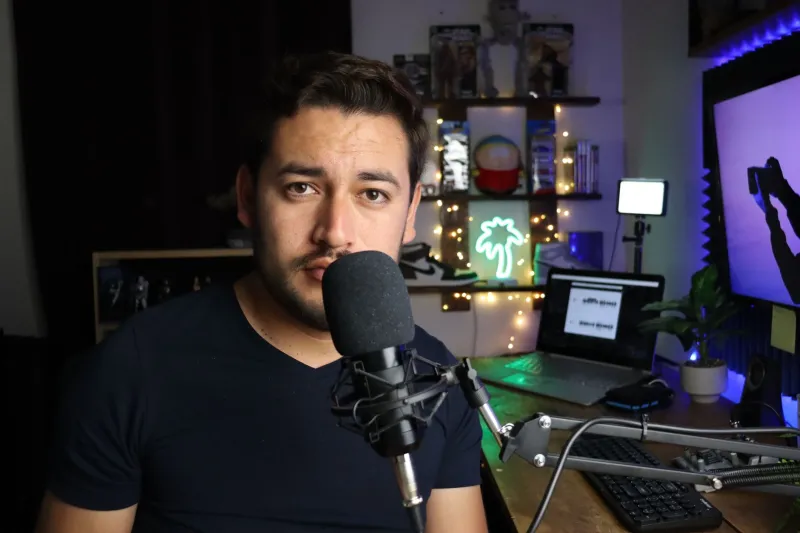
There's a particular kind of morning routine that a lot of people won't admit to out loud. Wake up. Phone. Not news, not texts — straight to one specific person's channel, stream, or feed. Maybe it's a cozy gaming streamer who narrates their gameplay in a low, unhurried voice. Maybe it's a YouTube creator who films their daily life with a loose, unscripted energy that makes you feel like you're hanging out in their apartment. Whatever the format, the pull isn't really about the content. It's about the presence.
This is the comfort creator effect, and it's quietly reshaping how we think about entertainment, connection, and what we actually need from the media we consume.
It's Not Really About What They're Saying
Here's the thing about comfort creators: most of the time, their actual content is almost beside the point. People who tune into the same streamer every single day aren't necessarily obsessed with the game being played or the topic being discussed. They're there for the voice, the rhythm, the predictable energy of someone they feel like they know.
Psychologists have a term for this — parasocial relationships — and it's not new. We've always projected connection onto media figures, from radio hosts to late-night TV personalities. But the creator economy has turbocharged the dynamic in ways that feel genuinely different. These aren't polished celebrities you see in a magazine. They're people who film themselves eating cereal, complaining about their landlord, or crying about a hard week. The intimacy is engineered to feel real, and for a lot of viewers, it lands that way.
The result is something that functions less like fandom and more like having a background friend — someone whose presence makes a space feel less empty, even if they have no idea you exist.
Background Friends and the Loneliness Loop
Social scientists have noted a growing pattern where people use media consumption as a substitute for in-person social contact — not because they prefer it, but because genuine connection is harder to access than it used to be. Long work hours, geographic isolation, the general friction of adult friendships — all of it creates gaps that parasocial bonds quietly fill.
A comfort creator fits neatly into those gaps. They're available whenever you need them. They don't cancel plans. They don't have bad moods that affect your day. They show up consistently, and that consistency starts to register in your nervous system the way a trusted person might. Hearing a familiar voice while you cook dinner or fold laundry can genuinely lower stress levels. There's real neurological comfort happening, even if the relationship is entirely one-directional.
For a lot of people — especially those dealing with anxiety, depression, or social exhaustion — this isn't trivial. It's a genuine coping mechanism. The problem is that coping mechanisms can quietly calcify into dependencies, and that's where things get complicated.
What Happens When the Creator Is Having a Bad Day
Here's where the comfort creator dynamic starts to show its fault lines. When your emotional regulation is tied to someone else's consistent presence, you become unexpectedly vulnerable to their inconsistency.
Creators who miss uploads get flooded with worried comments. Streamers who take mental health breaks face audiences that interpret absence as abandonment. The language in these comment sections often sounds less like disappointed fans and more like anxious family members — are you okay, we miss you, please come back, I don't know what to do without your streams.
That's a significant emotional weight to place on another person, especially one who is, by definition, performing for an audience while also trying to maintain their own mental health. Creator burnout is already one of the most underreported crises in the entertainment industry. The pressure to be consistently present, consistently warm, and consistently emotionally available for hundreds of thousands of people is genuinely unsustainable — and the comfort creator model makes that pressure exponentially heavier.
When your audience doesn't just like your content but depends on your presence, taking a break stops feeling like self-care and starts feeling like letting people down. A lot of creators internalize that, and it quietly destroys them.
The Audience Side of the Equation
It's easy to frame this as a creator problem, but the more interesting question is what it reveals about audiences. Why are so many people — across age groups, across demographics — finding it easier to build emotional routines around strangers on the internet than around the people in their actual lives?
Part of it is accessibility. A creator is always available in a way that real relationships aren't. Part of it is control — you can close the tab if the vibe goes wrong in a way you can't always walk away from a difficult conversation with someone you love. And part of it is the specific texture of modern loneliness, which tends to be less about being alone and more about not feeling truly seen or understood by the people around you.
Comfort creators often speak in a register that feels deeply personal — direct address, casual tone, the sense that they're talking to you specifically. For someone who spends most of their day feeling invisible or misunderstood, that register hits differently than it probably should.
Finding the Line Between Comfort and Dependency
None of this is a takedown of comfort creators or the people who love them. Parasocial relationships aren't inherently unhealthy. Finding genuine joy and calm in someone's daily content is a completely valid form of entertainment consumption. The creator economy exists because these connections are real, even when they're one-sided.
But there's a useful distinction between enjoying a creator's presence and needing it. If missing an upload genuinely ruins your day, or if you find yourself more emotionally invested in a creator's wellbeing than in the people around you, that's worth sitting with for a minute.
The same goes for creators themselves. Building an audience that treats you like a personal emotional support system isn't a sign of success — it's a structural problem that will eventually cost you something. The healthiest creator-audience dynamics involve some degree of distance, even when the content is warm and personal. That distance protects everyone.
The Vibe Is Real, Even If the Relationship Isn't
At the end of the day, the comfort creator effect tells us something true about what people need: consistency, warmth, the feeling of being in the presence of someone who isn't going to hurt them. Those are legitimate human needs, and it makes complete sense that people find ways to meet them wherever they can.
The internet just made it possible to meet them in a very specific, very scalable, and very complicated way. And as the creator economy keeps growing, the emotional stakes on both sides of the screen are only going to get higher.
Maybe the move isn't to stop watching your daily creator. Maybe it's just to notice what you're actually looking for when you hit play — and ask yourself, every once in a while, whether there are other places in your life you could look for it too.